
Get product clarity your team can build on.
Helping leaders decide what to build as technology advances and behaviours and expectations shift. Product strategy grounded in thirty years of design practice.
Teams can build almost anything now.
The harder question is what deserves the investment.
You may see an emerging opportunity without yet knowing what product or service it should become. Or have a team moving quickly without a shared direction.
We work with you to explore what becomes possible, identify where it could create value and make the proposition tangible. Specific enough for the business to back, change or reject, and clear enough for a team to develop.
Make the
right call.
Define your distinctive answer to the product, the category and the right direction before the expensive commitments are made.
You have a product in market.
Where does it go next — and what's stopping you getting there?
A new category is forming around you.
What's your answer to it — and will it hold up?
The technology is almost there.
What product is it becoming — and is that the product worth having?
Move
faster.
Get everyone building the same thing — and the argument ready to unlock the next stage.
Your team is building fast.
But is everyone building the same thing?
You need the thinking of a full product team.
Before you've finished hiring one.
The next phase is coming.
Is the story ready for the board or the next raise?
Two ways in. One when you need a partner to define what comes next with you. One when you need a sharper version of where you're already heading.



Deep Product Expertise.
We've spent decades almost exclusively at this kind of work, defining the early shape of frontier products for Samsung Electronics, Sky, Fairphone, and others. Modular phones, foldables, smart glasses and smart homes. Now physical AI.
These are the three domains we know best, and where we bring the deepest experience and point of view.
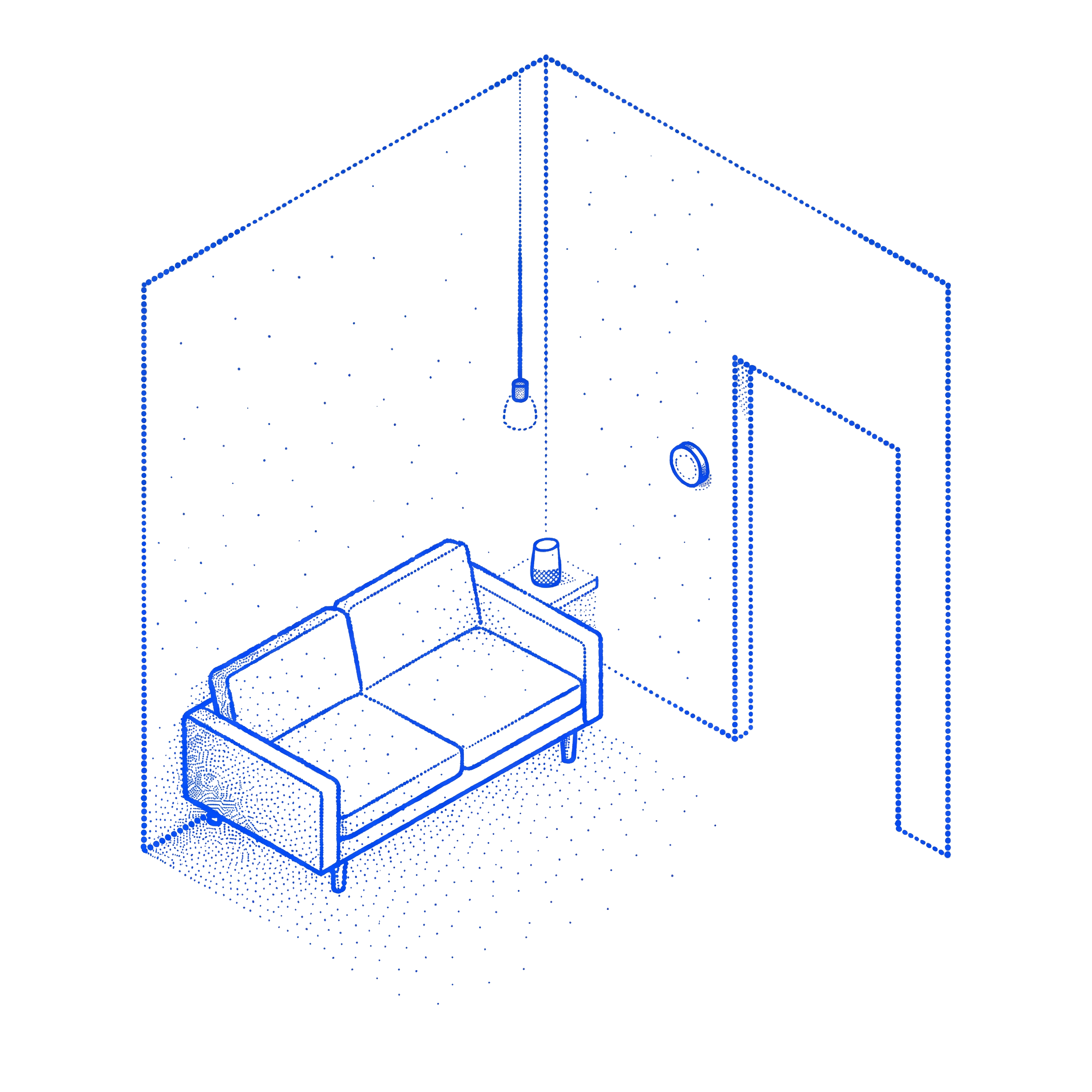
Smart Spaces
We explore how connected equipment can support useful services across a place, and what that means for the people and organisations sharing it.
The space is becoming the product. The device is becoming a part of it.

Connected Devices
We explore what makes a device worth carrying or wearing, how it connects to a wider system and what changes for the person using it.
Intelligence is moving between devices now. The product is no longer the box.

Physical AI
We help teams define where autonomous capabilities could be useful, how they would fit into an operation and what new services they could make possible.
It isn't what they replace. It's what becomes possible when they're everywhere.
Product×Strategy
We bring an outside perspective on emerging technology and changing behaviour, then work closely with your team to understand what those changes could mean for your customers and business.
Together, we explore specific situations and product concepts. We examine what would make them useful, what they depend on and what the organisation would need to change to deliver them.
The result is a product direction your team can explain, test and develop, with a clear case for the next investment.
A product direction your executive team can take to the board.
Clarity isn't a direction on a slide. It's the imagined situations, product archetypes, features and roadmaps that make the direction visible — specific enough for a team to stop arguing about where to go and start building.
Points of view
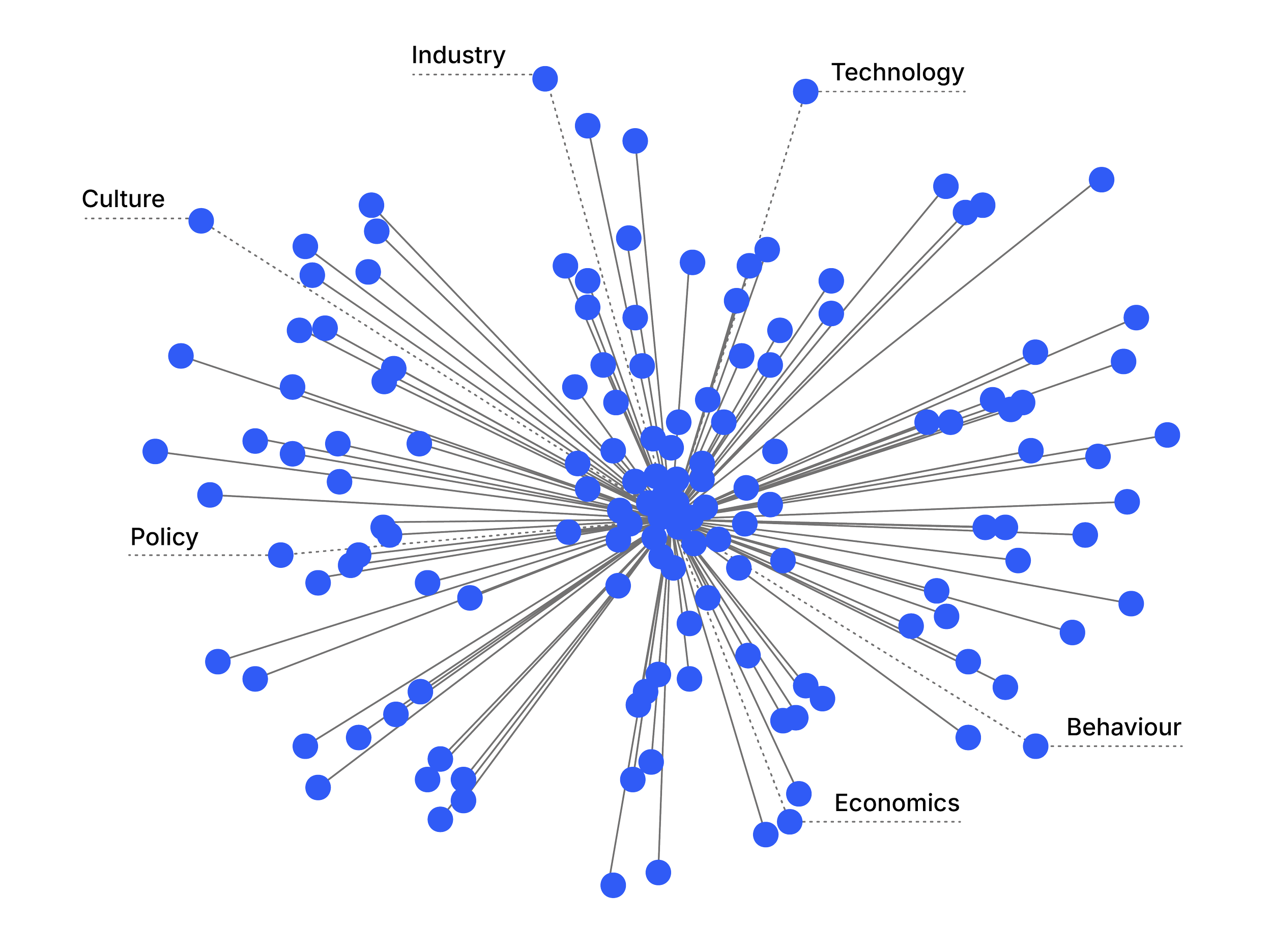
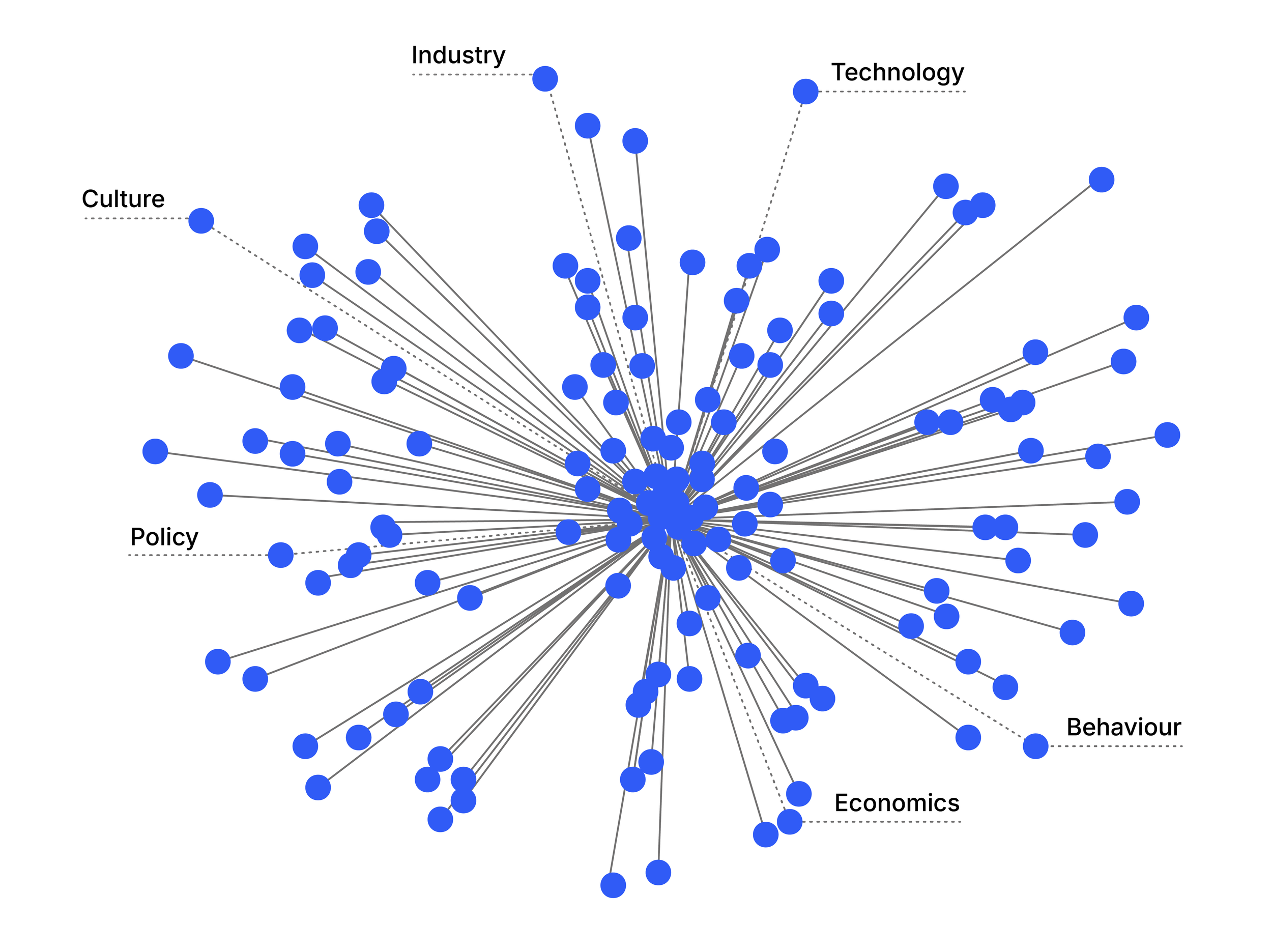
Sharp, defensible points of view on where your category is heading — built from signals across culture, industry and behaviour that others haven't connected. Weighted toward how people will actually respond, not just what the technology can do.

Pressure tests
Scenarios and product concepts that show an opportunity in someone’s everyday life. They help your team examine the task, the experience and the difficult moments before committing to development.

Product definition
The buildable object. Archetypes, product portfolios, features, requirements and roadmaps that define what your design and engineering teams need to make. Each earned by the one before — signal, pattern to opportunity to product.
A 15-minute call. No deck, no pitch.
Just a direct conversation about where you are and whether an independent product perspective would be useful right now.
★★★★★
Stay ahead of the noise.
Not ready for a call? Follow our founder, Matthew on LinkedIn. For insights on smart spaces, human augmentation and embodied AI before they're mainstream.